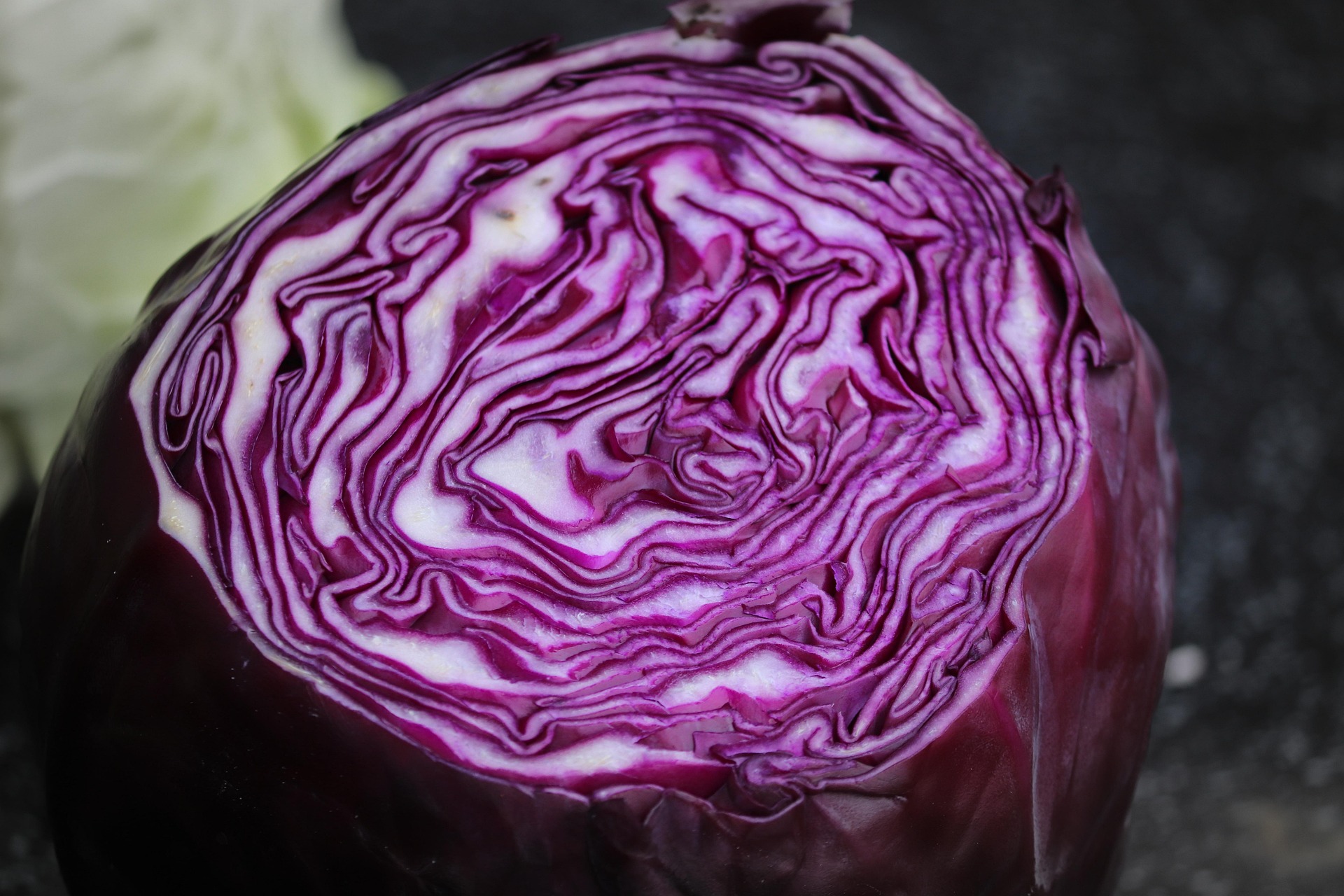
The Ancient Art of Sauerkraut: Transform One Cabbage into a Jar of Liquid Gold
- May 18, 2026
Have you ever held a simple head of cabbage and realized you’re holding a canvas for one of humanity’s oldest, most delicious science experiments? You are about to cross the threshold from passive consumer to active creator. In a world of sterilized, shelf-stable foods, making your own sauerkraut is a rebellious act of health, heritage, and flavor. This isn’t just pickling; it’s alchemy. And it starts with one humble ingredient.
Why Bother? The Explosive Power of Fermentation
Let’s talk about why your body will thank you. A plain cabbage is already a nutritional hero—packed with Vitamin C (immune support), Vitamin K (bone health), and fiber. But when you ferment it? You unlock a secret level. The process of lacto-fermentation does what cooking cannot: it pre-digests the cabbage.
-
Vitamin C Skyrockets: The fermentation process can increase the bioavailability of Vitamin C by up to 6 times. Sailors learned this the hard way—without sauerkraut, they got scurvy.
-
Probiotics are Born: Beneficial lactic acid bacteria (Lactobacillus) bloom, creating a living ecosystem for your gut. These probiotics help digest food, produce B-vitamins, and even boost your mood (90% of your serotonin is made in your gut!).
-
Removes Antinutrients: Fermentation neutralizes compounds like goitrogens, making the nutrients easier to absorb.
-
Creates Acetylcholine: This neurotransmitter, produced during fermentation, is crucial for muscle contraction and brain function.
Simply put: A bowl of raw cabbage is healthy. A forkful of living sauerkraut is therapeutic.
A Global Tradition in a Jar
You aren’t just making a condiment; you are connecting to a global lineage of resourcefulness.
-
In Germany, they call it Sauerkraut (“sour cabbage”). Germans often add juniper berries, caraway seeds, or white wine to the brine. It’s the soul of a Bratwurst and a symbol of national thrift.
-
In Russia, Kvashenaya Kapusta often includes grated carrots and cranberries for sweetness and color. They ferment it in massive wooden barrels and eat it with sunflower oil and onions as a tangy side dish called solyanka.
-
In Ukraine, it’s a cornerstone of winter survival. Every baba (grandmother) has her own recipe, often fermenting whole cabbage heads to make stuffed cabbage rolls (holubtsi) later. They believe the first frost makes the cabbage sweeter for fermenting.
When you make this recipe, you are not alone. You are stirring a pot with centuries of Eastern European grandmothers nodding in approval.
Your Hands-On Manifesto: The Simple, Lengthened Recipe
Gather your tools: 1 medium cabbage (green or red), 2 Tbsp non-iodized Sea Salt (iodine kills bacteria), a large bowl, a wooden mallet or clean hands, and a 1-quart Mason jar.
Step 1: The Slice (Be Deliberate)
Take 1 medium cabbage. Remove the outer, bruised leaves (save one perfect leaf for later). Slice the cabbage into thin ribbons—about the thickness of a credit card. Thicker slices mean crunchier kraut but slower fermentation; thinner slices mean faster tang. This is your first act of control.
Step 2: The Salt & The Massacre
Place the shredded ribbons into a large mixing bowl. Add 2 Tbsp of Sea Salt. Now, here is where you earn your meal. Pound with a wooden mallet, or better yet, squeeze and crush with your bare hands for 10 minutes straight. Feel the cabbage submit. Your goal is to bruise the cell walls until the volume reduces by half and a pool of natural brine forms at the bottom of the bowl. This is not a gentle toss; this is a workout.
Step 3: The Rest (Patience begins)
Let the salted cabbage sit for about 10 minutes. You will see more liquid weep out. Taste a strand. It should taste like the sea—salty, but not unbearable.
Step 4: Packing for Power
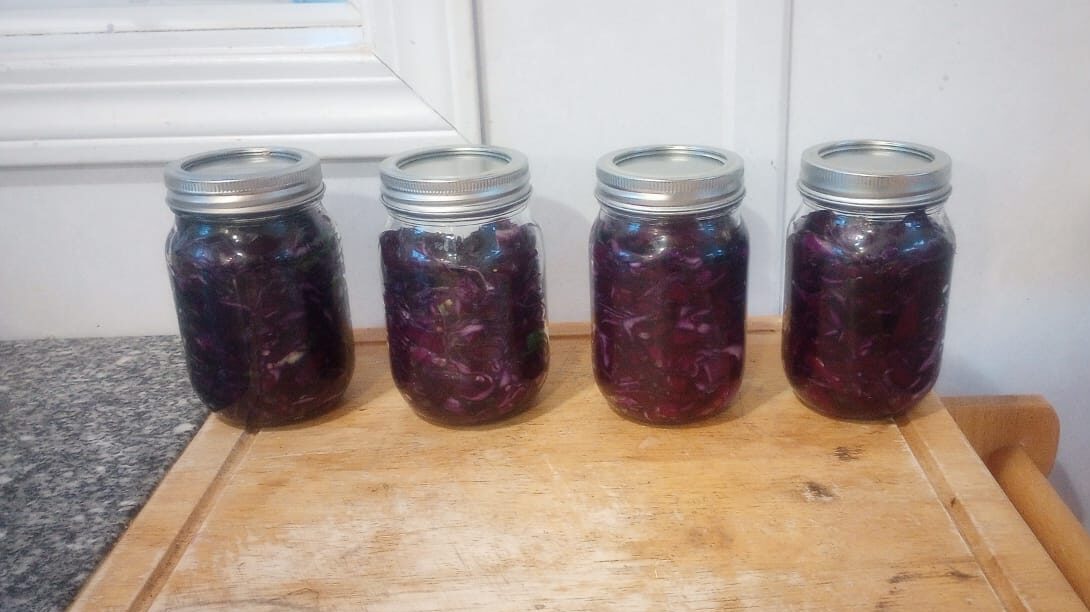
Place the mixture into your sterile 1-quart Mason jar (or several 500 ml jars). Do not just dump it. Take your fist or a wooden spoon handle and pack the cabbage down with ferocious intent. You are trying to eliminate air bubbles. Press until the brine rises to completely submerge the vegetables. Add the juice from the bottom of your mixing bowl. Submersion is the #1 rule: no air, no mold, only kraut.
Step 5: The Seal & The Spice
Take that perfect outer cabbage leaf, cut it to size, and tuck it over the packed cabbage. This acts as a living lid to keep floaty bits under the brine. Leave 1 inch of “headspace” (gap) at the top of the jar to allow for expansion.
-
For the bold: If you enjoy a spicy kick, thinly slice Jalapeño peppers. Do not pound them (that releases too much heat and bitterness). Gently fold them into the cabbage mixture before packing.
Step 6: The Waiting Game (3-10 Days of Magic)
Loosely screw on the lid (or use an airlock) so gases can escape. Place the jar on a plate (to catch overflow) at room temperature (65-72°F is ideal). Day 1-2: Bubbles will appear. Day 3: Taste it. It should be mildly sour. Day 5: It will get funkier. Day 10: It will be aggressively tangy. Trust your nose—if it smells like rotten eggs, discard; if it smells like sour pickles, you’ve succeeded.
Step 7: The Revelation
Once you decide the flavor is perfect, open the jar. Gently remove the top cabbage leaf, discard it, and peer at the golden, translucent kraut underneath. Take a bite while it’s room temperature. That fizz? Those are live probiotics dancing on your tongue.
The Final Command: Be sure to refrigerate once open. The cold slows the fermentation to a crawl, preserving your creation for months. But let’s be honest—it won’t last that long.
Go. Do This Now.
You have spent too long walking past the produce aisle. A $2 cabbage and 20 minutes of your hands is the barrier between you and a jar of living food that no grocery store can replicate. It is cheaper, healthier, and more authentic than anything in a plastic bag.
Your grandmother’s grandmother knew this. The Germans, Russians, and Ukrainians survived winters on this. Now it’s your turn. Get up. Wash your hands. And pound that cabbage. Your gut is waiting!