The Ancient Art of Sauerkraut: Transform One Cabbage into a Jar of Liquid Gold

By: Peter Farquharson , D.TCM, Acupuncturist, Clinical Herbalist

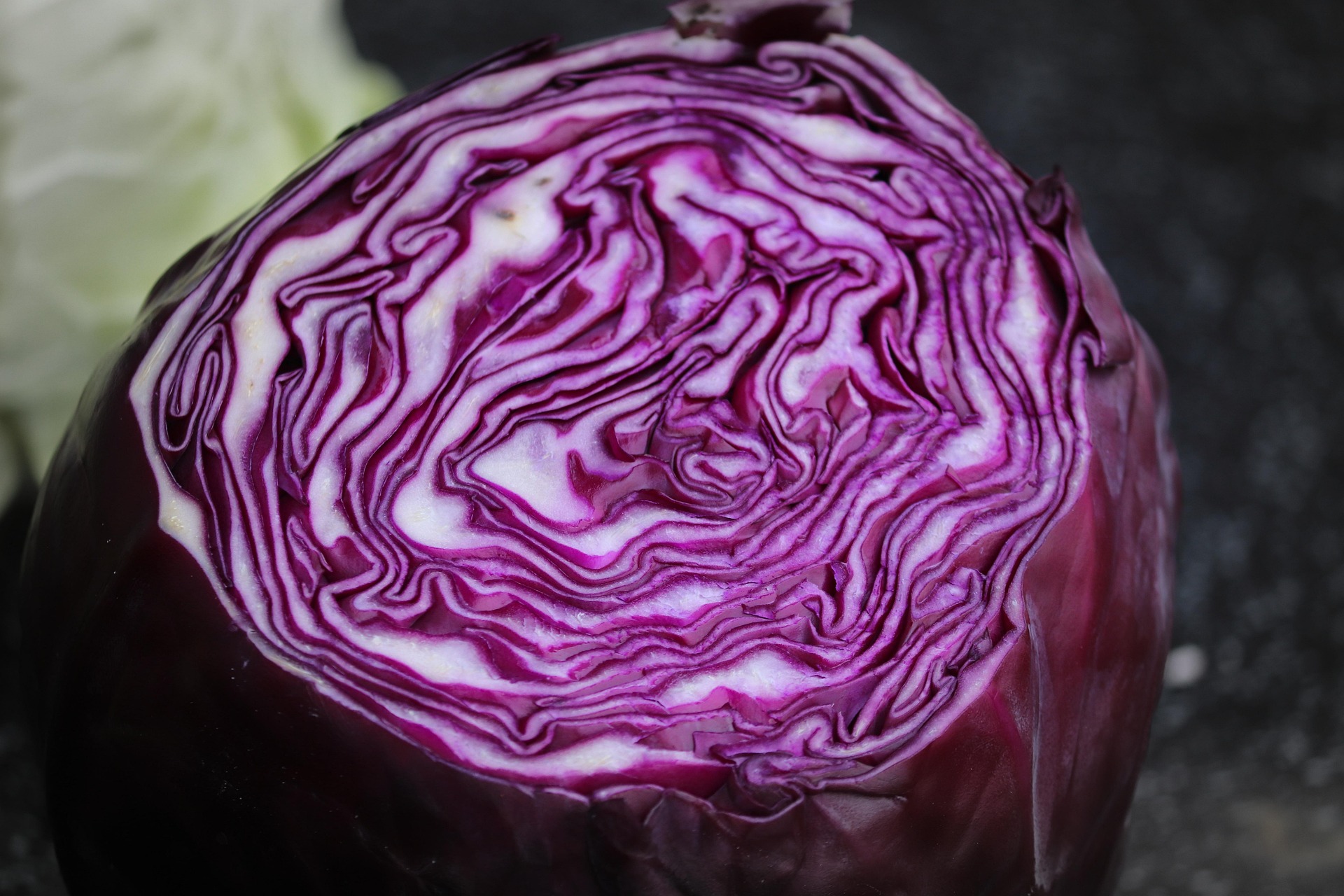
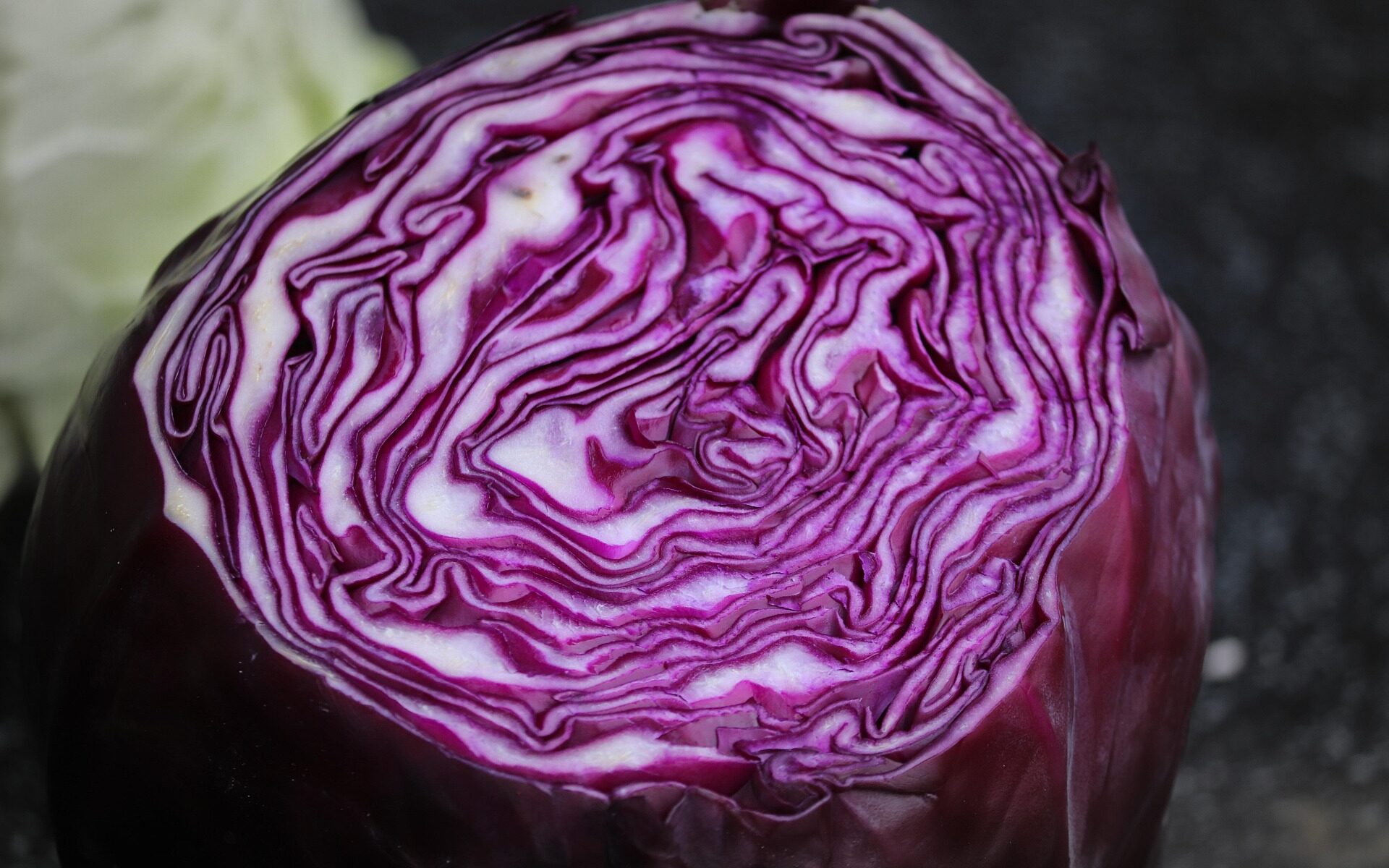
Have you ever held a simple head of cabbage and realized you’re holding a canvas for one of humanity’s oldest, most delicious science experiments? You are about to cross the threshold from passive consumer to active creator. In a world of sterilized, shelf-stable foods, making your own sauerkraut is a rebellious act of health, heritage, and flavor. This isn’t just pickling; it’s alchemy. And it starts with one humble ingredient.

Why Bother? The Explosive Power of Fermentation

Let’s talk about why your body will thank you. A plain cabbage is already a nutritional hero—packed with Vitamin C (immune support), Vitamin K (bone health), and fiber. But when you ferment it? You unlock a secret level. The process of lacto-fermentation does what cooking cannot: it pre-digests the cabbage.

  • Vitamin C Skyrockets: The fermentation process can increase the bioavailability of Vitamin C by up to 6 times. Sailors learned this the hard way—without sauerkraut, they got scurvy.

  • Probiotics are Born: Beneficial lactic acid bacteria (Lactobacillus) bloom, creating a living ecosystem for your gut. These probiotics help digest food, produce B-vitamins, and even boost your mood (90% of your serotonin is made in your gut!).

  • Removes Antinutrients: Fermentation neutralizes compounds like goitrogens, making the nutrients easier to absorb.

  • Creates Acetylcholine: This neurotransmitter, produced during fermentation, is crucial for muscle contraction and brain function.

Simply put: A bowl of raw cabbage is healthy. A forkful of living sauerkraut is therapeutic.

A Global Tradition in a Jar

You aren’t just making a condiment; you are connecting to a global lineage of resourcefulness.

  • In Germany, they call it Sauerkraut (“sour cabbage”). Germans often add juniper berries, caraway seeds, or white wine to the brine. It’s the soul of a Bratwurst and a symbol of national thrift.

  • In Russia, Kvashenaya Kapusta often includes grated carrots and cranberries for sweetness and color. They ferment it in massive wooden barrels and eat it with sunflower oil and onions as a tangy side dish called solyanka.

  • In Ukraine, it’s a cornerstone of winter survival. Every baba (grandmother) has her own recipe, often fermenting whole cabbage heads to make stuffed cabbage rolls (holubtsi) later. They believe the first frost makes the cabbage sweeter for fermenting.

When you make this recipe, you are not alone. You are stirring a pot with centuries of Eastern European grandmothers nodding in approval.

Your Hands-On Manifesto: The Simple, Lengthened Recipe

Gather your tools: 1 medium cabbage (green or red), 2 Tbsp non-iodized Sea Salt (iodine kills bacteria), a large bowl, a wooden mallet or clean hands, and a 1-quart Mason jar.
Step 1: The Slice (Be Deliberate)
Take 1 medium cabbage. Remove the outer, bruised leaves (save one perfect leaf for later). Slice the cabbage into thin ribbons—about the thickness of a credit card. Thicker slices mean crunchier kraut but slower fermentation; thinner slices mean faster tang. This is your first act of control.

Step 2: The Salt & The Massacre
Place the shredded ribbons into a large mixing bowl. Add 2 Tbsp of Sea Salt. Now, here is where you earn your meal. Pound with a wooden mallet, or better yet, squeeze and crush with your bare hands for 10 minutes straight. Feel the cabbage submit. Your goal is to bruise the cell walls until the volume reduces by half and a pool of natural brine forms at the bottom of the bowl. This is not a gentle toss; this is a workout.

Step 3: The Rest (Patience begins)
Let the salted cabbage sit for about 10 minutes. You will see more liquid weep out. Taste a strand. It should taste like the sea—salty, but not unbearable.

Step 4: Packing for Power
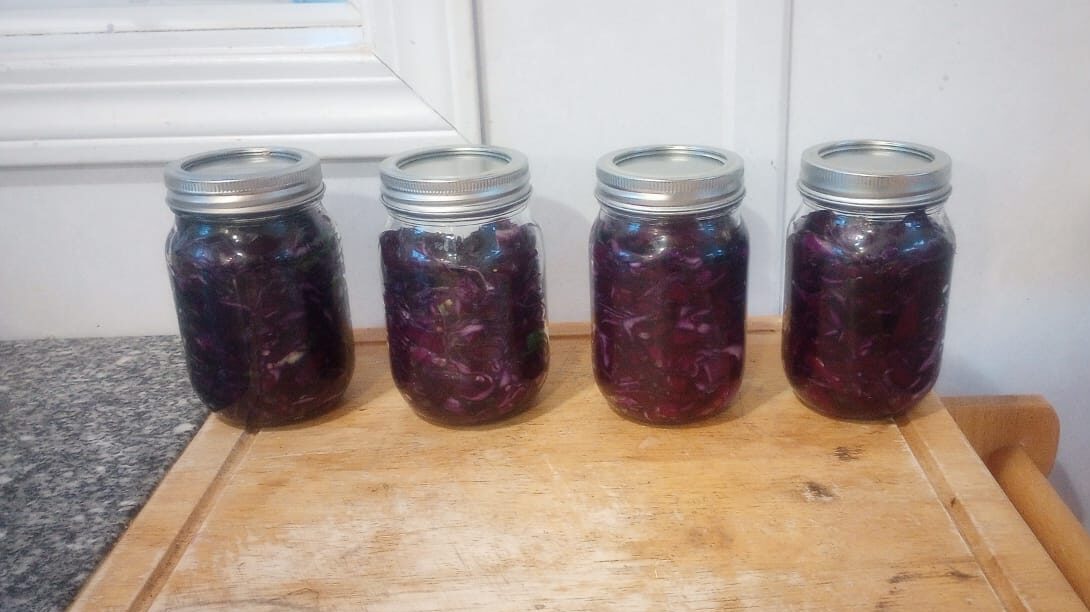
Place the mixture into your sterile 1-quart Mason jar (or several 500 ml jars). Do not just dump it. Take your fist or a wooden spoon handle and pack the cabbage down with ferocious intent. You are trying to eliminate air bubbles. Press until the brine rises to completely submerge the vegetables. Add the juice from the bottom of your mixing bowl. Submersion is the #1 rule: no air, no mold, only kraut.

Step 5: The Seal & The Spice
Take that perfect outer cabbage leaf, cut it to size, and tuck it over the packed cabbage. This acts as a living lid to keep floaty bits under the brine. Leave 1 inch of “headspace” (gap) at the top of the jar to allow for expansion.

  • For the bold: If you enjoy a spicy kick, thinly slice Jalapeño peppers. Do not pound them (that releases too much heat and bitterness). Gently fold them into the cabbage mixture before packing.

Step 6: The Waiting Game (3-10 Days of Magic)
Loosely screw on the lid (or use an airlock) so gases can escape. Place the jar on a plate (to catch overflow) at room temperature (65-72°F is ideal). Day 1-2: Bubbles will appear. Day 3: Taste it. It should be mildly sour. Day 5: It will get funkier. Day 10: It will be aggressively tangy. Trust your nose—if it smells like rotten eggs, discard; if it smells like sour pickles, you’ve succeeded.

Step 7: The Revelation
Once you decide the flavor is perfect, open the jar. Gently remove the top cabbage leaf, discard it, and peer at the golden, translucent kraut underneath. Take a bite while it’s room temperature. That fizz? Those are live probiotics dancing on your tongue.

The Final Command: Be sure to refrigerate once open. The cold slows the fermentation to a crawl, preserving your creation for months. But let’s be honest—it won’t last that long.

Go. Do This Now.

You have spent too long walking past the produce aisle. A $2 cabbage and 20 minutes of your hands is the barrier between you and a jar of living food that no grocery store can replicate. It is cheaper, healthier, and more authentic than anything in a plastic bag.

Your grandmother’s grandmother knew this. The Germans, Russians, and Ukrainians survived winters on this. Now it’s your turn. Get up. Wash your hands. And pound that cabbage. Your gut is waiting!


Root Soup & Tumeric: Muladhara healing foods

Some of the most powerful medicines on the planet are masquerading around as foods and spices. While they do not lend themselves to being patented, nor will multi-billion-dollar human clinical trials ever be funded to prove them efficacious, they have been used since time immemorial to both nourish our bodies, and to prevent and treat disease

Turmeric (Curcuma longa) is a spice that has been used for centuries. Specially incorporated in curries in Indian cuisine; we have learned about its amazing benefits in recent years here in the West.

Some of the most powerful medicines on the planet are used this way, as spices in our foods.

Defined inn Ayurveda as having primary the bitter and pungent taste, it has many functions on the energy systems of the body and in low doses is known to be balancing. It is also disease preventive and used to treat disease.

But not only Ayurvedic medicine speaks of its benefits. The more than 600 benefits from this spice is backed by multi-million dollar clinical trials.

It is a medicinal spice so timelessly interwoven with the origins of human culture and metabolism, so thoroughly supported by modern scientific inquiry, as to be unparalleled in its proven value to human health and well-being.

Some of the most amazing, demonstrated properties include:

Preventing and Reversing Alzheimer’s Disease Associated Pathologies

Protecting Against Radiation-Induced Damage

Destroying Multi-Drug Resistant Cancer

Protecting Against Heavy Metal Toxicity

Destroying Cancer Stem Cells (arguably, the root of all cancer)

Reducing Unhealthy Levels of Inflammation

This is just a short list to prove the amazing benefits of this spice and how you can benefit from it. There are over 600 additional health conditions that this valuable spice helps prevent and treat.

When I first began exploring the spices that are the basis for these spice blends, I assumed they might function similarly to thyme where an extra “bit” might be better. I learned quickly with turmeric, less can be more.

The orange color in turmeric, squash, and sweet potatoes indicates the presence of carotenoids like beta-carotene which are potent antioxidants and fat soluble. Which means that you need at least half teaspoon of a fat like olive oil or ghee in the meal to properly absorb all the nutrients present.

Butternut squash and sweet potatoes are often made during the holiday season and as leftovers can be made into a lovely curry soup. Fresh ingredients can also be used.

Brazil nuts are a nice addition to the recipe but not a must. They add a wonderful creamy flavor and are rich in micronutrients like selenium.

Root Soup Recipe: Muladhara nourishing

Ingredients:

3 small onions diced

2 leeks, washed, trimmed, and sliced

2 tablespoons fresh grated ginger

3 tablespoons organic olive oil or organic ghee

1 ½ cups butternut squash

4 carrots, peeled and sliced

2 turnips, peeled and sliced

3 parsnips, peeled and sliced

1 butternut squash, peeled and sliced

4 tablespoons butter or ghee

3 cups vegetable broth or chicken stock (your preference)

3 cups water

4 garlic cloves peeled and mashed

Several thyme springs, tied together

1 teaspoons turmeric

1 teaspoons ground cumin seed

1 teaspoons coriander

¼ teaspoon cinnamon

Pinch of cayenne pepper

4-5 Brazil nuts that have been soaked for 2 hours in water

Salt and pepper to taste

Melt butter in a large, stainless-steel pot and add onions, leeks, carrots, turnips, butternut squash and parsnips. Cover and cook gently about half hour over low heat, stirring occasionally. Add stock, bring to a boil and skim. Add, garlic, thyme, turmeric, cumin, coriander, cinnamon, cayenne. Simmer, covered for about half hour until the vegetables are soft.

Remove thyme and puree soup with hand blender (if you have, if not, use a blender). Season to taste. If soup is too thick, thin with a little water. Ladle into heated bowls and serve with sour cream or yogurt.

Can I Eat More If I Work Out?

Consistency and Patience

A combination of a balanced diet, a consistent exercise routine, and a stable sleep schedule is ideal when it comes to improving the current status of your health. Yet, there’s a point at which diet and exercise intertwine and make matters a bit more complicated.

You need to be patient with yourself and go one day at a time, you will find how easier it gets to just say: I will do exercise tomorrow and then next day you say the same thing and the next one.

In particular, many people wonder whether exercising more means you can eat more without negatively impacting the positive progression of your health. That’s especially the case when you consider the calories and nutrients lost through intense and frequent exercise.

Below, we’ll discuss the role that losing calories and nutrients plays in the amount of food you should be eating on days you work out.

Replacing Lost Calories

No matter what type of exercise you’re participating in, you’re burning a set number of calories based on how long and how intensely you perform the exercise.

When you burn more calories than you’re consuming throughout the average day, you’ll experience weight loss. That’s great if you’re looking to lose weight, but it’s not so great if you’re trying to build muscle and strength.

To maintain your weight on days that you exercise, you’ll need to be taking in as many calories as you’re burning through exercise.

That means eating a greater number of calories during the day!

You should try to limit the extra calories to about how many calories you burned during your workout in order to maintain your current weight. A few extra or a few less won’t make much of a difference but being a few hundred calories off can make you gain or lose weight!

Eating More Nutrients to Refuel

When you exercise, your body is using carbohydrates, fats, and proteins to provide you with the energy you need to complete your workout. Additionally, your body loses electrolytes like sodium and potassium when you exercise intensely.

After you’re done with your workout, it’s incredibly important that you replace the nutrients you lost during exercise and supply your body with the fuel it needs to continue on with your day.

Though that means eating more over the course of your day, it also means eating the right food. The “extra” food that you’re eating on days in which you work out should be nutrient-dense and help to return your body to its natural state.

The Limitations

You can eat more during the day if you’re burning calories and losing nutrients during exercise, but there are quite a few limitations.

Under no circumstances does working out enable you to consume unhealthy foods and not experience the negative health consequences associated with them. That means working out doesn’t make it okay to hit up a local fast food joint on your way home from the gym.

Coming home from the gym after a 30-minute run only to eat a cheeseburger and French fries with a large soda won’t only put you above your daily recommended calories, but it’ll also overload your body with unhealthy fats, sugars, and salt.

Rather than burning calories and improving your health, your body must now work to rid itself of the unhealthy level of these nutrients that you just consumed. It practically reverses the positive effects of your workout!

You should be replacing the number of calories that you lost and focus on replenishing the nutrients that your body craves post-workout.

Final Thoughts

In short, yes. If you’re looking to maintain your current weight, you’ll need to be consuming more calories and nutrients on the days that you’re exercising. But you need to make sure that the additional calories and nutrients you’re consuming after a workout are healthy and will support your health and fitness goals.

Sub Acid-Sweet Fruit Soup

This recipe is an extract from the beautiful book by Ann Wigmore “Recipes for Longer Life”.

Her recipes in the book are for rejuvenation and freedom from degenerative diseases. the incidence of cancer heart disease, stroke, high blood pressure, and diabetes. all of these can be greatly reduced by providing our bodies with the vital nourishment as described in the book.

1C chopped fresh peaches

1C chopped apples (leave skins on)

1C chopped fresh pears

1/2C dried apricots, soaked

2 bananas

1/4 cinnamon or ginger

Soak apricots at least 4 hours. Save soak water to thin soup with, if needed. blend ingredients, reserving 6-8  banana slices for decoration of bowls. Raisins are another tasty decoration.

Kids Wild-crafting: Labrador tea

Benefits Of Labrador Tea

Skin:

If you want to nourish your skin from the inside out. Drink Labrador tea. It helps with skin conditions like eczema, psoriasis and you can also apply it directly on the affected area. This effect is thanks to the plant has astringent and antioxidant properties.

Labrador tea also helps reduce visible signs of aging. It has also been used for hundreds for years by First Nations to treat chapped sink, ulcers, burns, itches, dandruff. This tea reduces redness and inflammation and is rich in ursolic acid which promotes skin elasticity and collagen production.

Immune defense:

Labrador tea is also good for your overall health since it stimulates the immune system and ensure that the body has enough white blood cells to protect the body.

How to make Labrador Tea:

Recipe

Ingredients

15-20 leaves of Labrador plant.

4 cups of purified water.


Step 1: Add the Labrador tea leaves to a pot with water.

Step 2: Bring the water to a boil (wait until the water changes to a light green/yellowish).

Step 3: Strain the water out. Don’t discard the tea leaves.

Step 4: Refill the pot with water and bring it back to a boil.

Step 5: The color of the water should become yellow.

Step 6: Strain into a teapot or cup.

Step 7. Enjoy!

We are taking it and will make a video-post to share how we did it 🙂

Watch the video here